Dryer Vent Safety Inspections
A dryer vent safety inspection helps identify hidden problems that can reduce airflow, create fire hazards, or cause your dryer system to operate inefficiently.
During the inspection, we evaluate the system for lint buildup, crushed or disconnected vent lines, improper materials, poor airflow, unsafe installations, excessive vent length, and other common issues that may affect performance or safety.
We check both the interior and exterior portions of the system, including inside the duct with a camera, to help determine whether everything is operating safely and properly.
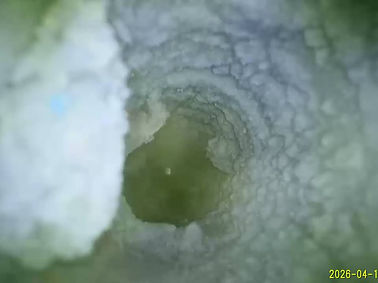
Hidden Lint Buildup
Inspecting inside the dryer vent system for lint buildup, restricted airflow, and other hidden issues that can lead to longer dry times, overheating, reduced efficiency, and fire hazards.
Common Problems We Look For
- Crushed dryer vent hose
- Lint buildup
- Disconnected vent pipe >>
- Excessive vent length
- Unsupported sections
- Unsafe vent materials
- Incorrect or missing tape at the seams
- Improper exterior vent covers
- Poor airflow
- Bird or critter entry points


Unsafe Dryer Vent Hose
If your dryer vent hose looks like this, it is a fire hazard and should be replaced. Older-style foil vent hoses are more flammable, easily crushed, restrict airflow, and collect lint buildup much more rapidly than modern code-compliant dryer vent hose.
We replace unsafe vent hoses with safer code-compliant materials designed for better airflow and improved dryer safety.
Signs You May Need an Inspection
- Clothes taking multiple cycles to dry
- Dryer feels unusually hot
- Burning or hot laundry smell during operation
- Excess lint behind the dryer >>
- Laundry room humidity
- Recently purchased home


Improper Exterior Vent Operation
An exterior vent damper that remains stuck open can allow birds, pests, insects, and outside air into the dryer vent system.
During colder months, this can allow cold air into the home, while hot outdoor air can enter during warmer months, increasing energy loss and forcing your heating or cooling system to work harder.